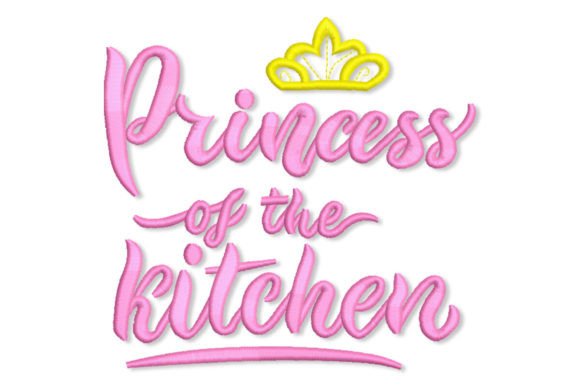
Princess of the Kitchen Embroidery Design Review
First Impressions: A Royal Touch for the Home
The Princess of the Kitchen embroidery design immediately catches the eye with its whimsical charm and regal flair. As an experienced embroidery designer, I appreciate how it effortlessly combines elements of elegance—like a delicate tiara—with practical kitchen motifs such as utensils and flourishes. The overall mood is warm and inviting, making it perfect for those who want to add a touch of sophistication to everyday items.Product Applications and Gift Scenarios
One of the strengths of the Princess of the Kitchen design is its adaptability. When I tested it on different surfaces, I found it particularly effective on soft, medium-weight fabrics like cotton blends and linen. Here are some of the ways I see it performing well:- Aprons: This design shines on aprons, especially when paired with a name or monogram. It transforms a simple kitchen accessory into a royal keepsake.
- Embroidered Towels: Whether for a housewarming or baby shower, adding this motif gives a personal towel set a luxurious edge.
- Pillow Covers: Use it to create nursery decor or kitchen-themed home accents. The tiara detail works beautifully in a corner or centered on a square pillow.
- Baby Blankets: For a more subtle application, the design can be resized and used as a border or accent element. It conveys both warmth and a sense of specialness.
- Custom Tote Bags: Ideal for gift shops or Etsy sellers looking to offer stylish, functional bags with a personal touch.
- Wedding Keepsakes: Incorporate it into custom napkins, table runners, or aprons for a bride or groom who loves cooking together.
Designing for Different Audiences
The Princess of the Kitchen appeals to a wide range of buyers. For parents, it could be a cute addition to a baby’s nursery. For newlyweds, it offers a charming way to personalize their shared space. Gift shop owners will love how it adds instant appeal to personalized towels and custom tote bags, while handmade sellers can use it to elevate their product lineup. I also see this design working well as part of a custom order preview on social media or your Etsy page. The visual impact is strong enough to draw attention, and the story behind it—elegance meets culinary passion—is something many people find relatable and attractive.Where to Use With Caution
While the machine embroidery design is beautiful, there are a few areas where you’ll want to test before committing to production:- Small Lettering: If you're planning to add names or dates, ensure the font size is large enough to read clearly after stitching.
- Delicate Details: The tiara and utensil elements require careful handling, especially on stretchy or thin materials. Any distortion during hooping may affect the final look.
- Textured Fabric: Stitching over a rough or napped surface might cause some details to flatten or become less visible.
- Thick Towels: High stitch density could lead to puckering or stiffness. Always check how the design behaves on the actual fabric thickness you plan to use.
- Stretchy Baby Clothes: Avoid using it on garments unless you're confident in how the fabric stretches post-stitching.
- Curved Surfaces: The design may need slight adjustments if placed on a curved item like a round mug holder or a shaped tote bag.
- Dark Fabric: Thread color contrast is essential here. Lighter thread colors won't show up well on dark backgrounds unless specified otherwise.
- Frequent Washing: For items like dishcloths or aprons, consider the durability of the threads and the likelihood of fading over time.
Giftability and Customer Appeal
When evaluating how this design affects the giftability of a product, I found that it significantly enhances perceived value. The embroidery file brings a sense of care and intentionality, which is key for handmade products and personalized gifts. Customers tend to trust designs that look intentional and high-quality, and this one definitely fits that bill. From an emotional standpoint, the design creates a connection between the recipient and the idea of nurturing, creativity, and domestic joy. That kind of resonance is invaluable for wedding gifts, family heirlooms, or even commercial embroidery projects aimed at milestone events. Photographically, the design looks stunning when properly lit. The raised texture of the embroidery helps it pop against the background, making your printable mockups more engaging. On white or light-colored aprons, it becomes a statement piece; on darker tones, it requires brighter thread colors to maintain its charm.Practical Embroidery Tips
Before using Princess of the Kitchen on customer orders, I recommend the following steps to ensure success:Test on scrap fabric first: Every hoop size and fabric type reacts differently to embroidery. Start with a small sample to avoid surprises.
Check thread color contrast: Especially important for dark fabrics. If the provided thread palette doesn’t suit your chosen background, adjust accordingly.
Confirm hoop size requirements: If the design is large or detailed, make sure you have the correct hoop size available for production.
Review stitch density: Dense areas may require a tear-away stabilizer or extra backtack stitches to prevent distortion.
Use proper stabilizer: Depending on fabric texture, a cut-away or no-show stabilizer might be necessary for optimal results.
Compare light and dark fabric mockups: This will help you visualize how the design translates across different bases and prepare accurate previews for your customers.
Check small details after stitching: The tiara and utensil edges should remain crisp. If they appear fuzzy or distorted, revisit your settings or try a different fabric.
Confirm commercial licensing: If you're an Etsy seller or running a small shop product line, always verify that you’re allowed to sell finished goods made with the digital embroidery file.